Today I had the joy of attending the PiXL Science Conference. Between the insightful sessions, catching up with customers, and the overall positivity in the room, it was a genuinely energising day.
Here are some of the highlights that really stayed with me:
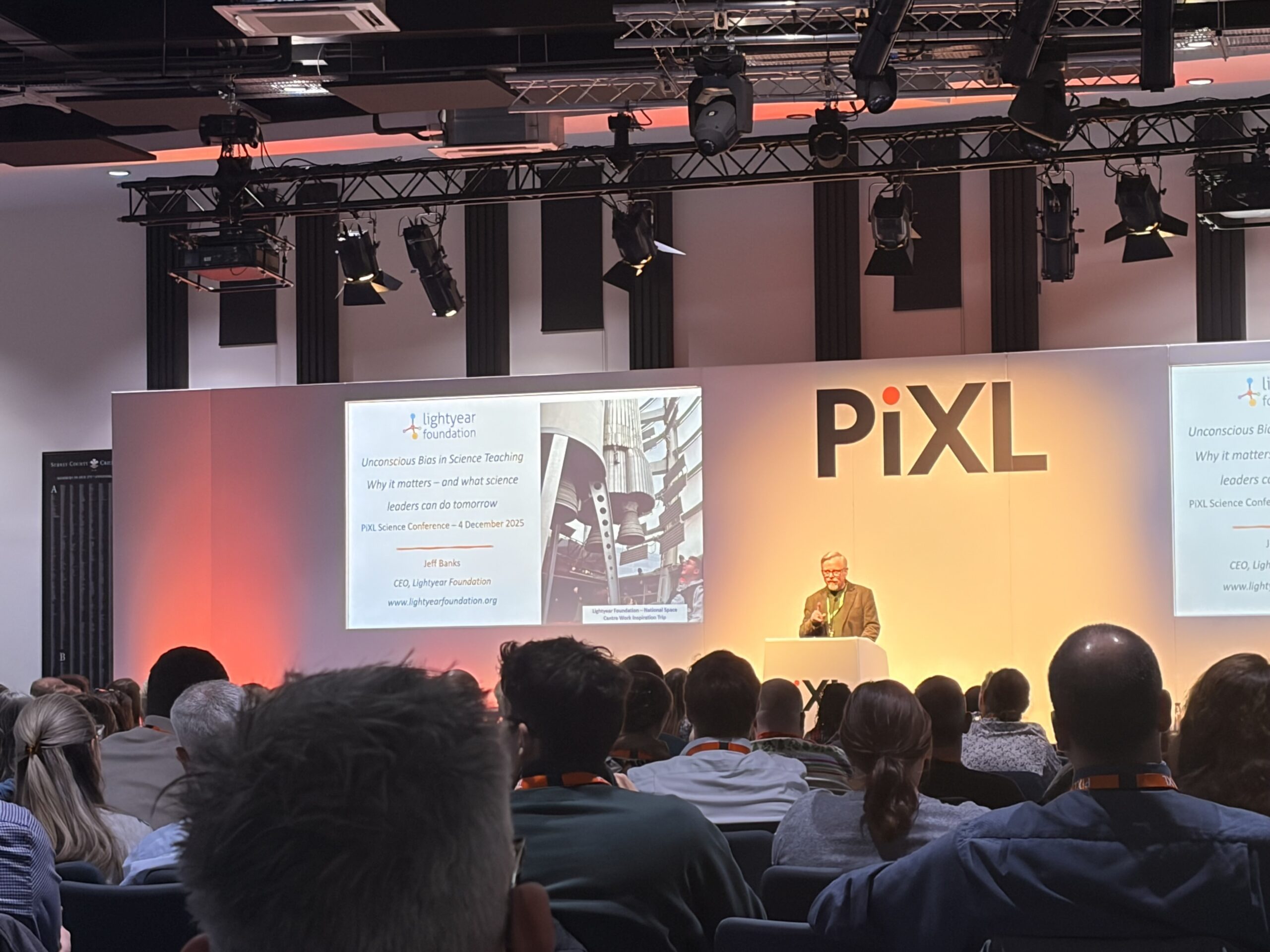
Unconscious Bias in Science – Jeff Banks (Lightyear Foundation)
Jeff Banks from the Lightyear Foundation – a disabled-led charity working to break down barriers to STEM for disabled and neurodivergent children, delivered one of the most thought-provoking sessions of the day.
I found it incredibly insightful, particularly his exploration of well-meaning decisions and the unconscious biases that can subtly shape outcomes. The phrase that truly stayed with me was “poverty of expectations”. The idea that some young people don’t see themselves as scientists simply because nobody ever showed them that it was possible. That really struck me.
One of Jeff’s practical takeaways was the idea of a 30-second bias check: a moment to pause and ask, Have we really thought this through? Who might this decision benefit or exclude? While I’m not in a classroom, it made me think about how we at Educake can embed this same intentionality into the examples we use and the stories we share, ensuring representation and inclusion are built in by design.
I was also inspired by his emphasis on near-peer role models. Sixth Form and university students, and others just a few steps ahead on the journey. These examples show students what is possible in a way that feels reachable and real.
Purposeful Practical Work – Mandy Clegg
Mandy Clegg’s session focused on practical work as a key component of the GCSE curriculum. She began by referencing the Curriculum and Assessment Review, which stresses that the purpose of practicals must be clearly articulated. Practical work is not just an activity; it is central to learning, helping students develop procedural knowledge, sequencing, and the application of concepts.
As highlighted in examiners’ reports, practical work is an area where students can struggle, particularly with recalling the correct sequencing of a practical and applying their knowledge when variables or equipment change. Mandy’s session explored ways to better support students with both of these challenges.. Mandy encouraged reflection through two key perspectives:
- From the student’s point of view: By the end of Year 7, what should students know or be able to do? From vocabulary and confidence to equipment recognition and procedural understanding?
- From the practical’s point of view: What knowledge must students already have to successfully access the practical? How can we support them in building that foundation beforehand?
She also stressed that students need to recognise and name common scientific equipment, as shared language is essential for meaningful learning and application.
Sequencing Disciplinary Knowledge – Will Simpson
Will Simpson’s session explored sequencing from a disciplinary perspective, emphasising foundational skills rather than individual practicals. He began with risk versus hazard, asking why students often find this distinction difficult.
From there, he highlighted key practical skills which he dedicates lesson time to covering, including:
- Using and understanding safety apparatus
- Identifying and controlling variables
- Recognising resolution and accuracy
- Practising consistent experimental techniques
- Reading and interpreting graphs and data
Will’s emphasis was on deliberate sequencing – building capability layer by layer, so students develop skills that are transferable across practicals. These are not just exam requirements; they are essential for future success in science and STEM pathways.
Improving Outcomes in Maths & Science Exam Questions – Naomi Bartholomew-Millar
Naomi highlighted the multimodal nature of science: it requires students to read diagrams, equations as well as text. Success depends not only on understanding concepts but also on interpreting data, following methods, and decoding questions.
I enjoyed her reference to the 90’s game show Catchphrase with Roy Walker, through the phrase “Say what you see”, encouraging clarity and precision in student responses. This simple reminder helps students focus on what is presented rather than overthinking or guessing.
Naomi also returned to the importance of command words, which guide how students structure and frame their answers. Developing skills to decode and respond to these cues is crucial for improving attainment. Her session reminded us that improving outcomes isn’t about teaching more content, but about helping students read, interpret, analyse, and respond in both the languages of science and maths.
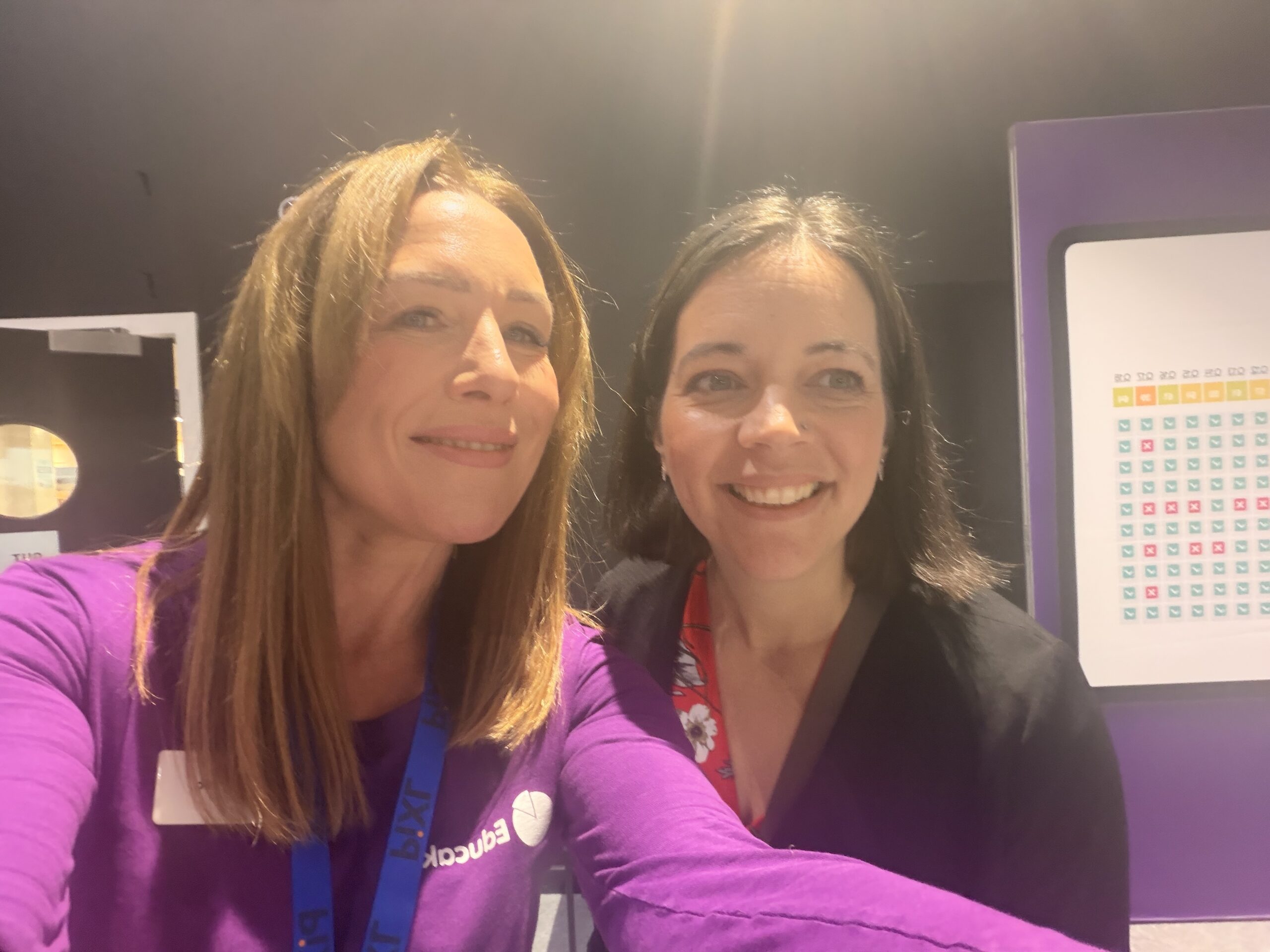
Meeting Alice Roberts ⭐
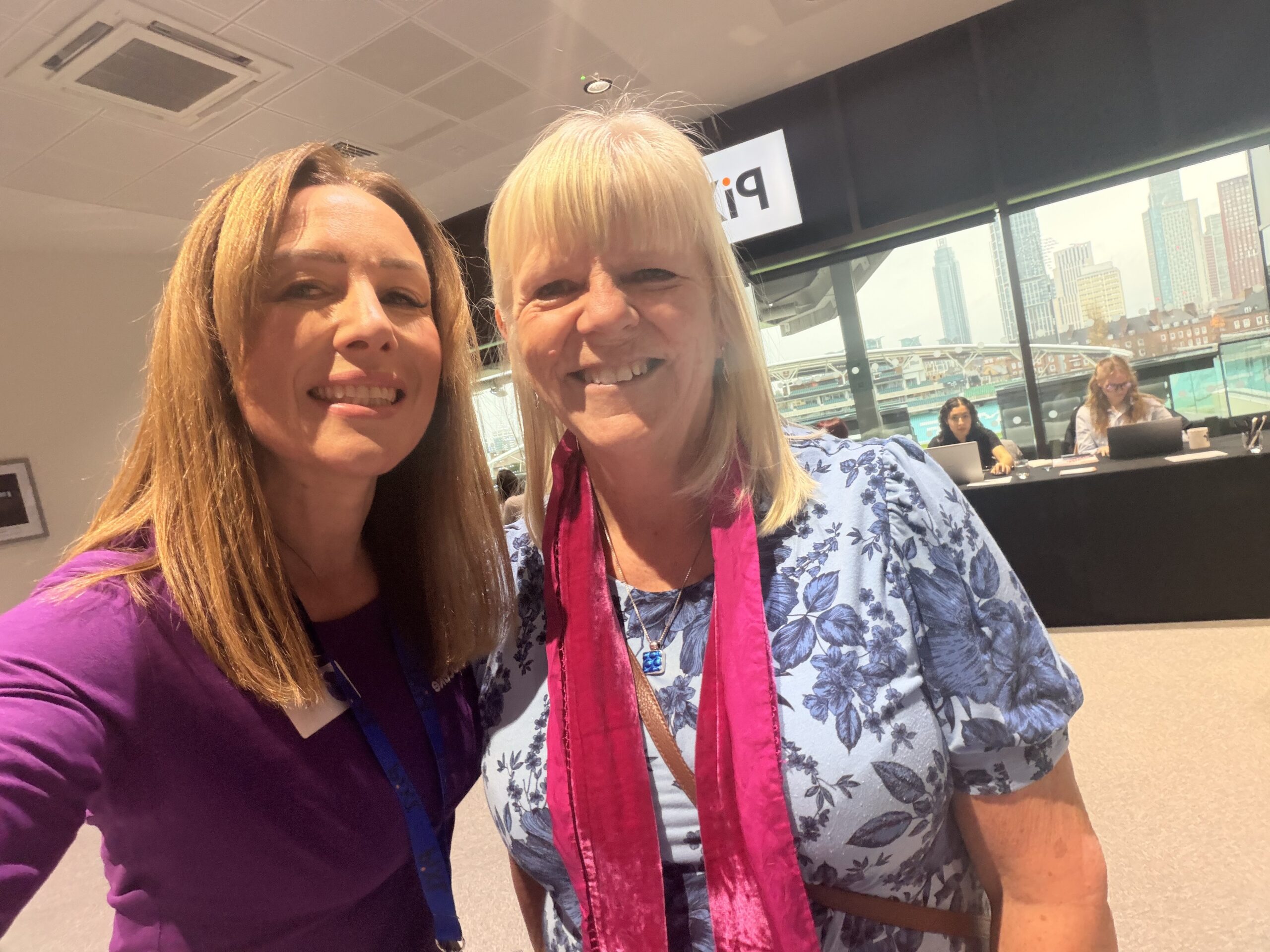
One of the highlights of the day was meeting Alice Roberts, historian, archaeologist, and author. I happened to bump into her in the dinner queue and was able to chat with her for a few minutes. She kindly told me that Educake is a super cool name. It was a delightful, unexpected moment that added a memorable personal touch to the day.
Her keynote at the end of the day was awe-inspiring. I loved thinking about the backstory of the Amesbury Archer she introduced. His journey and his ancestors’ journeys to where he was finally laid to rest and the valued artefacts resting with him. This is why I think history is so fascinating.
Final thoughts
Today was science, inspiration, and positivity all rolled into one. Catching up with customers, hearing their stories, celebrating successes, and learning about the challenges they face. This all reaffirmed that what we do at Educake is making a real difference in classrooms.
PiXL, you were magical.
Educake, you make me proud.
And I left feeling energised, inspired, and grateful for the community we are part of.
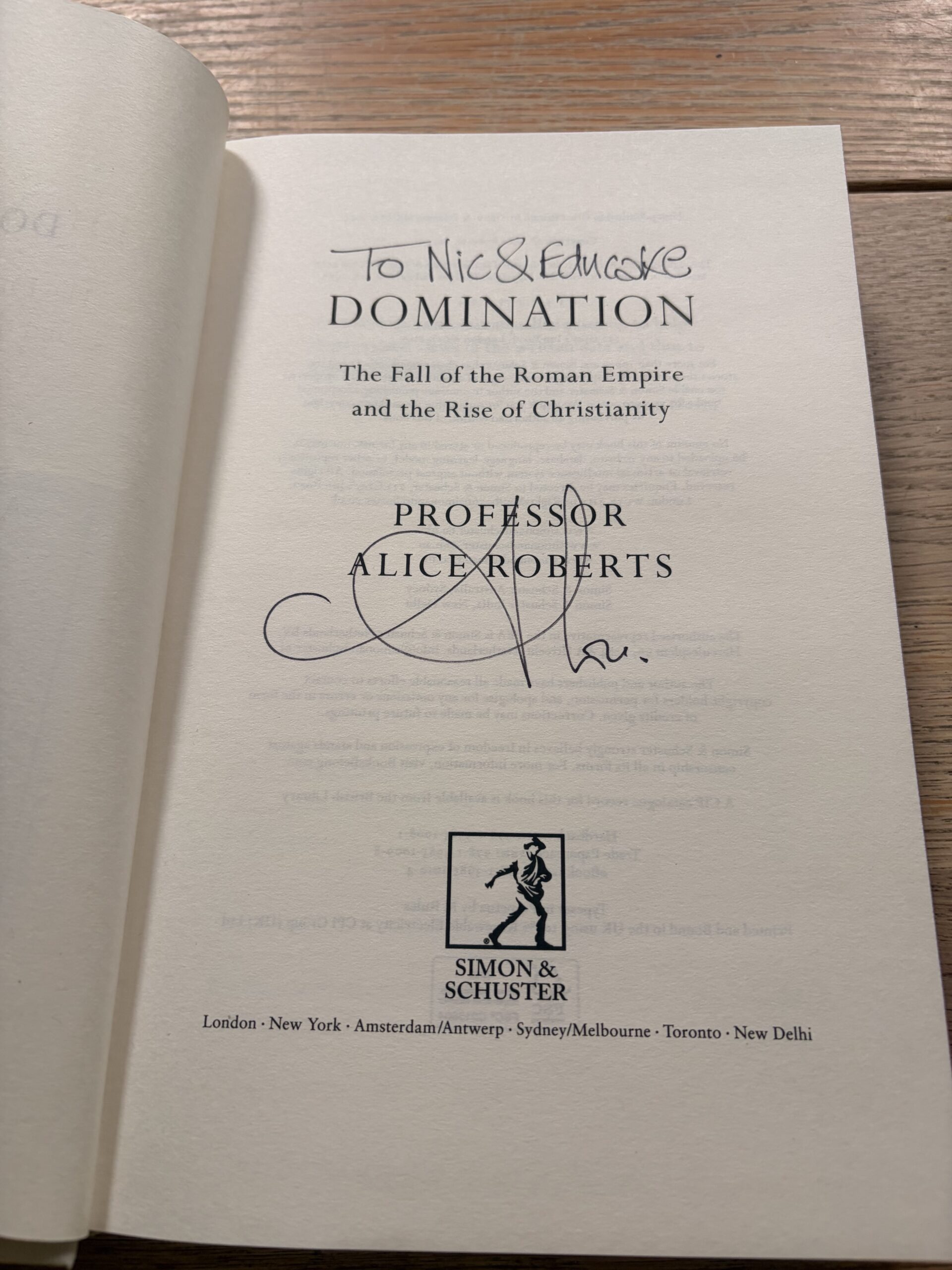
I’m now off to read my signed copy of Domination which is also the most beautiful ‘Educake’ purple 💜